
Zoo Pilot: Upper Elementary Research Pilot
By: Antonia Llull, MOT, OTR/L │ Founder and Clinical and Program Director
Inclusive, OT-Informed Project-Based Learning (PBL): Strengthening Executive Function, Collaboration, and Problem-Solving in K–5 Learners
Findings from One of Two Pilot Studies Using Hands-On, Multisensory PBL Experiences in Diverse Learning Settings
Pilot Overview
Upper Elementary PBL: Hands-On Habitat Design Challenge
Build a Zoo Pilot Summary
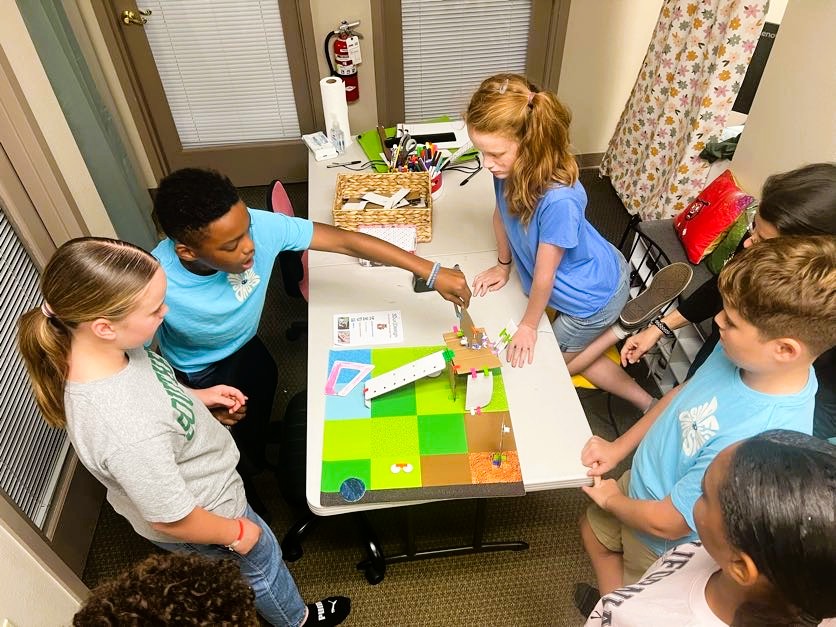
Children ages 8–10 (Grades 3–5 functioning range) from microschool, private, and homeschool settings participated in a six-session OT-informed engineering PBL unit focused on designing animal habitats.
Students represented diverse learning profiles, including autism, ADHD, anxiety, dyslexia, dyscalculia, OCD, and typically developing learners. The project emphasized iterative building, testing, collaboration, and reflection, strengthening executive function, problem-solving, and social-emotional learning.
Overview of the Zoo Pilot
Participants & Design
- 16 students across two classes
- Small collaborative groups (2–4 students)
- Six structured engineering PBL sessions
- Warm-ups targeting motor planning and material fluency
- Reflection routines supporting metacognition and SEL
- Moderate scaffolding to promote independence and creativity
Problem, Need & Rationale
Across K–5 classrooms, many students struggle with planning, sequencing, frustration tolerance, and collaborative problem-solving. While PBL offers powerful learning opportunities, educators often need models that intentionally integrate executive function, SEL, and inclusion.
This pilot explored how structured, hands-on engineering challenges support whole-child development in both general education and neurodiverse learners.
Quantitative Findings
Zoo Engineering Challenge Outcomes
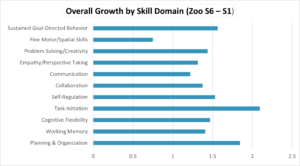
Overall Growth by Skill Domain
Students demonstrated measurable growth across all 11 developmental domains, with strongest gains in executive function skills such as planning, organization, cognitive flexibility, and self-regulation. Warm-up analysis revealed that brief preparatory tasks significantly improved material fluency, design decision-making, and engineering readiness – PDF available below with further details.
Graph 1
Overall Growth by Skill Domain
Students demonstrated measurable growth across all 11 developmental domains, with strongest gains in executive function skills such as planning, organization, cognitive flexibility, and self-regulation. Warm-up analysis revealed that brief preparatory tasks significantly improved material fluency, design decision-making, and engineering readiness.
Graph 2:
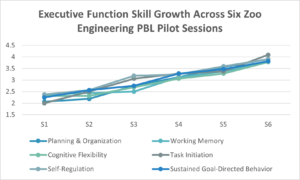
Children showed steady gains in:
- Planning
- Working memory
- Cognitive flexibility
- Task initiation
- Goal-directed behavior
- Self-regulation
Graph 3
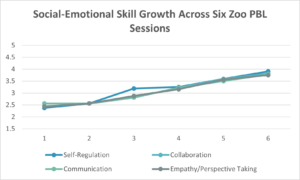
Consistent improvements were observed in collaboration, communication, and perspective-taking as students engaged in team-based engineering challenges.
Qualitative Findings
Student Voice & Educator Insights
As the project progressed, children expressed increased confidence, ownership, and creativity. Many described learning through mistakes and improving designs through teamwork.
Photo 1
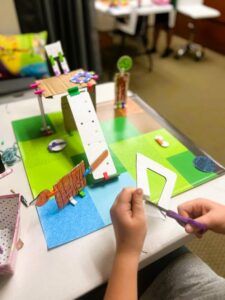
Children’s Reflections
“At first I didn’t think I could build it.”
“We got better every time.”
“Mistakes helped us find a better way.”
“I didn’t know I was a good engineer.”
Students also began using engineering vocabulary such as structure, base, support, angle, and stability, reflecting emerging STEM identity.
Photo 3
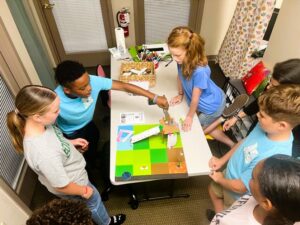
Facilitator Observations
“Children stayed focused longer during building.”
“Leadership emerged in unexpected ways.”
“Warm-ups reduced frustration.”
“Problem-solving discussions grew more complex.”
Implications for Schools
Hands-on, OT-informed PBL supports:
- Executive Function Activation through authentic planning and problem-solving
- Whole-Child Engagement by integrating motor, cognitive, and SEL systems
- Inclusive Practice aligned with UDL principles
- STEM Identity Development
- Scalable Classroom Implementation with high engagement and minimal prep
Key Takeaway
Photo 4
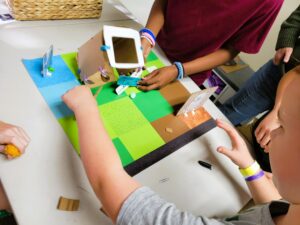
OT-informed project-based learning meaningfully strengthens executive function, collaboration, and problem-solving for diverse learners. When engineering challenges are hands-on, structured, and iterative, students thrive academically and emotionally.